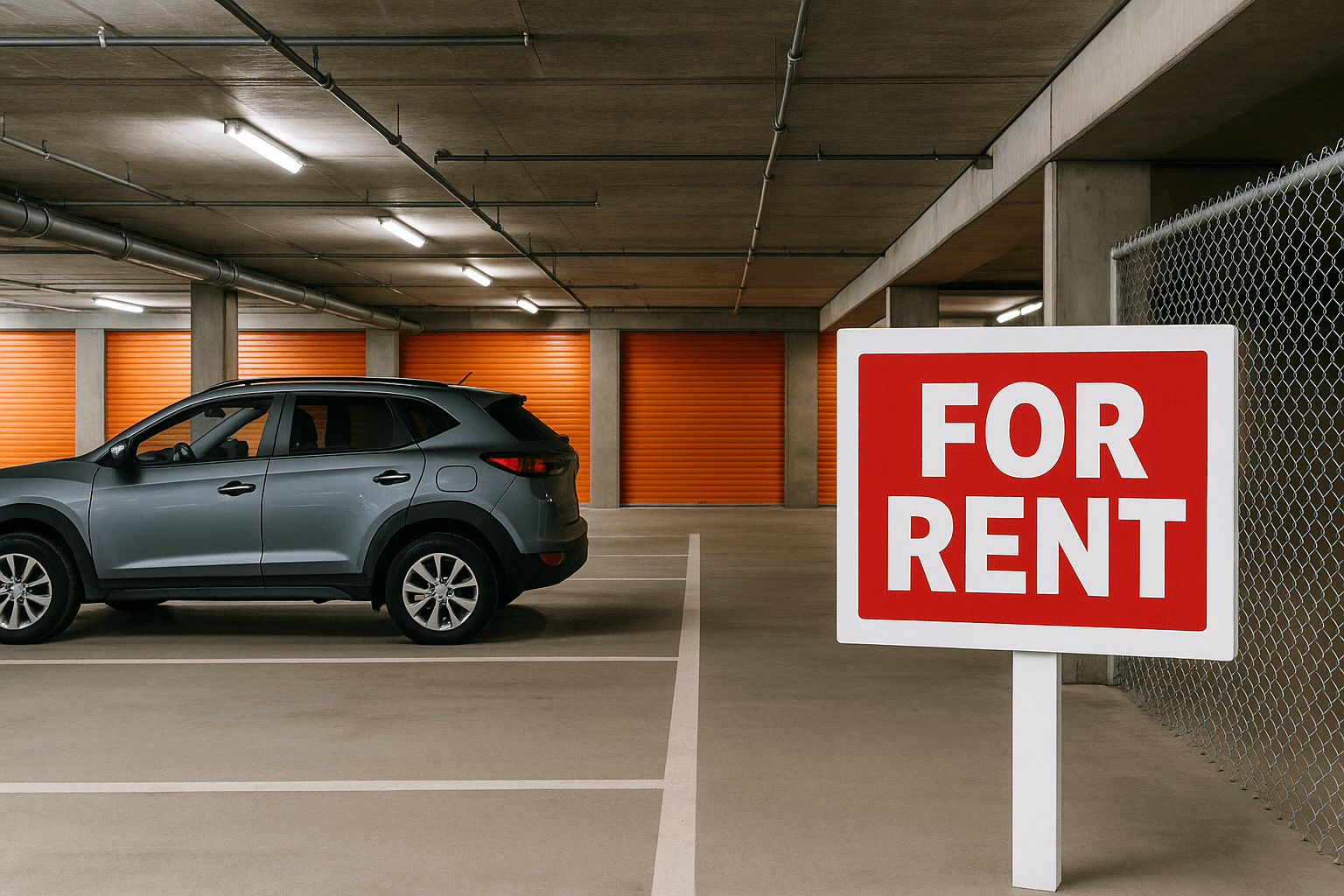
Investing in car parks
Discover why car park investments are becoming an attractive asset class for property investors seeking stable returns in urban areas.
Car parks are emerging as a compelling investment opportunity in the Australian commercial real estate market. With increasing urbanisation and limited parking availability in city centres, car park assets offer investors a unique combination of stable income and capital growth potential.
The article explores key considerations for investors looking at car park opportunities, including location analysis, revenue streams, and management strategies. As referenced in this Commercial Real Estate feature, industry experts highlight the growing demand for secure parking solutions in metropolitan areas.
Car parks provide several advantages as an investment asset: - Consistent cash flow from daily, monthly, or lease arrangements - Lower maintenance costs compared to traditional commercial properties - Resilience during economic downturns as parking remains essential - Potential for technology integration and automation - Diversification benefits for property portfolios
For investors considering entry into this market, understanding local parking demand, zoning regulations, and operational requirements is essential. The car park sector continues to evolve with smart parking technologies and changing urban mobility patterns, making it an exciting space for forward-thinking investors.
Interested in Property Investment?
Our expert team can help you explore investment opportunities in car parks, residential, and commercial properties across Melbourne and Victoria.
More Articles
What does it cost to rent a car park in Melbourne CBD?
Monthly car park rents across Melbourne CBD and the inner suburbs typically run from $220 to $365 a month. Here is what drives the difference, and what to check before you sign.
Property management fees in Melbourne: what you should actually be paying
Melbourne management fees typically run 5.5% to 8.8% of rent collected, but the headline percentage is rarely the whole cost. Here is how to work out what you are really paying.